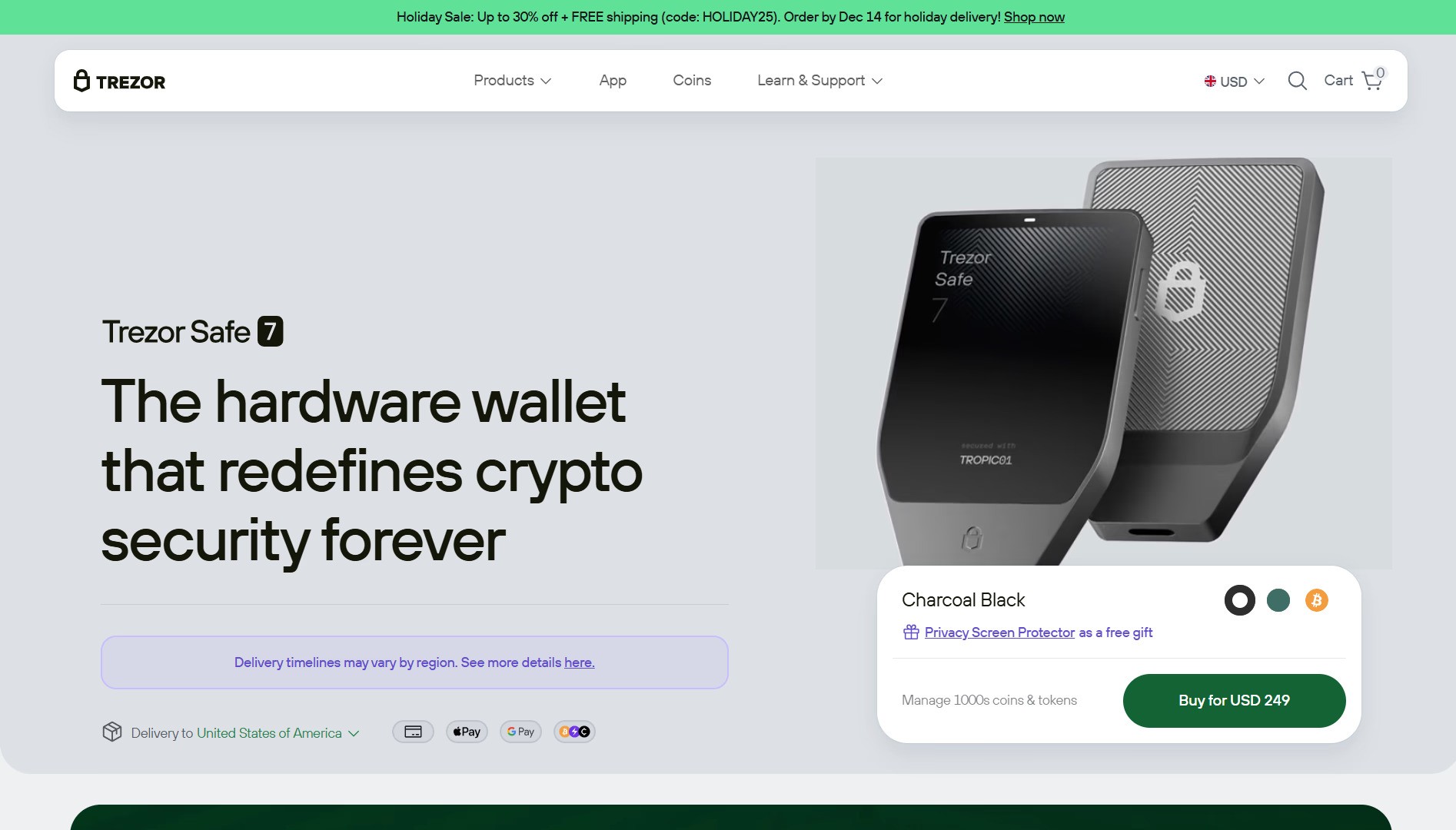
Trezor Bridge: The Secure Link Between Your Browser and Hardware Wallet
When using a hardware wallet, security doesn’t stop at offline key storage. Safe communication between your device and the web is just as important. Trezor Bridge serves as the trusted connection layer that allows your Trezor hardware wallet to interact securely with browser-based wallet interfaces.
Understanding the Role of Trezor Bridge
Modern web browsers are designed to protect users by restricting direct access to connected hardware devices. While this improves general security, it also creates a challenge for hardware wallets that need to communicate with web applications. Trezor Bridge solves this problem by acting as a secure intermediary.
Once installed, Trezor Bridge runs quietly in the background and enables your browser to recognize and communicate with your Trezor device whenever it’s connected.
How Trezor Bridge Works
Trezor Bridge does not store private keys or sensitive wallet data. Instead, it transmits only the information required to display balances and send signed transactions. All cryptographic signing happens directly on the Trezor device, ensuring that private keys never touch your computer or the internet.
This design protects users even if their browser or operating system is compromised.
When You’ll Need Trezor Bridge
Trezor Bridge is mainly used when accessing Trezor-supported wallet interfaces through a web browser. While the Trezor Suite desktop app includes its own communication layer, the web version relies on Trezor Bridge to function properly.
Users who prefer web-based access or frequently switch between devices will benefit most from having Trezor Bridge installed.
Security and Reliability
Developed and maintained by Trezor, Trezor Bridge receives regular updates to ensure compatibility with the latest browsers and operating systems. Its open-source nature allows the community to review and verify its security, reinforcing trust in the software.
Using the official version of Trezor Bridge is crucial, as fake or modified versions could pose serious security risks.
Best Practices for Using Trezor Bridge Safely
To stay protected:
Always download Trezor Bridge from the official Trezor website
Keep the software updated
Avoid connecting your wallet to unknown or suspicious websites
Confirm all transaction details on the Trezor device screen
Never enter your recovery seed online
These habits help maintain a secure self-custody setup.
Final Thoughts
Although it operates quietly behind the scenes, Trezor Bridge plays a vital role in secure crypto management. By enabling safe communication between your hardware wallet and browser-based interfaces, it ensures convenience without compromising security. For users who rely on web access, Trezor Bridge is an essential part of a well-protected crypto workflow.